
Bulk stun guns for retail stores rely on electrical pulse frequency (20-150 kHz) to deliver shocks, balancing effectiveness and user safety. Higher frequencies enhance power but may increase side effects. Manufacturers tailor designs with adjustable settings, considering power sources, device size, and local regulations to ensure optimal performance while adhering to safety standards. Retailers should select models that offer balanced features, prioritize durability, and stay informed about regional legalities surrounding stun gun frequencies.
Electrical pulse frequency is a critical aspect of stun gun design, impacting both effectiveness and safety. This article delves into the intricate world of stun gun technology, focusing on how pulse frequency influences their performance. As of 2026, the stun gun industry has witnessed significant advancements, with a growing emphasis on smart technology and personalized safety. Manufacturers are integrating AI-driven shock profiles that adapt to user preferences and physical attributes, ensuring optimized effectiveness without compromising comfort. Additionally, wireless charging capabilities have become standard in many bulk models, enhancing convenience and reducing maintenance. The trend towards eco-friendly materials and designs further appeals to environmentally conscious consumers. Recent studies also highlight the development of advanced current spread technology, which allows for more precise control over shock distribution, minimizing collateral damage and increasing safety margins. This innovation is particularly significant in densely populated areas where precise, targeted shocks are crucial for law enforcement and personal defense alike. Bulk Stun Guns: Retail Store Guide to Features, Law, and Safety We'll explore key considerations for retailers stocking bulk stun guns, including factors like power output, voltage, and pulse width. Additionally, we'll discuss legal implications and safety measures related to different frequencies, providing a comprehensive guide for informed decision-making in the retail space.
- Understanding Electrical Pulse Frequency: A Basic Overview
- The Role of Frequency in Stun Gun Effectiveness
- Bulk Stun Guns for Retail Stores: Considerations for Selection
- Factors Influencing Pulse Frequency and Performance
- Safety and Legal Implications of Stun Gun Frequencies
Understanding Electrical Pulse Frequency: A Basic Overview
Electrical pulse frequency is a critical aspect of stun gun design, directly impacting their effectiveness and safety. In simple terms, it refers to the number of electrical pulses delivered per second, measured in hertz (Hz). Stun guns emit short, powerful bursts of electricity, and the frequency determines how quickly these pulses are delivered. For bulk stun guns for retail stores, this is a key consideration as it affects both performance and customer appeal.
A higher pulse frequency generally results in faster and more intense shocks, making the stun gun more effective at incapacitating targets. However, it also means more electrical energy is delivered to the body, which could potentially increase side effects and discomfort for the user. Therefore, manufacturers strive to balance these factors, offering various frequencies to cater to different needs while ensuring customer safety.
The Role of Frequency in Stun Gun Effectiveness
The effectiveness of a stun gun largely relies on its electrical pulse frequency, which determines how quickly and intensely it delivers shocks. Higher frequencies can result in more painful and disruptive effects, making them particularly effective for self-defense scenarios. Bulk stun guns for retail stores often focus on offering a range of frequencies to cater to diverse needs; some models may even feature adjustable settings for customized shock levels. This versatility ensures users can select the appropriate frequency based on their specific situations, be it for personal safety or law enforcement applications.
Bulk Stun Guns for Retail Stores: Considerations for Selection
When selecting bulk stun guns for retail stores, several key considerations come into play to ensure effective and responsible stock management. The primary focus should be on bulk stun guns for retail stores that offer a balance between power and safety features. Look for models with adjustable pulse widths and frequencies; this flexibility allows staff to tailor the device's effectiveness according to local laws and specific situations.
Additionally, durability and reliability are essential for high-volume sales. Retail store owners should opt for stun guns made from robust materials that can withstand daily use and potential rough handling. A durable design not only extends the product's lifespan but also instills confidence in customers who rely on these devices for personal safety.
Factors Influencing Pulse Frequency and Performance
The electrical pulse frequency in stun guns is a critical factor that influences their performance, especially in bulk stun guns for retail stores. Several elements play a significant role in determining this frequency and, consequently, the overall effectiveness of the device. One of the primary considerations is the power source; different battery types can accommodate varying voltage levels, directly impacting the pulse rate. Higher voltage batteries generally enable faster pulses, which can be more potent but may also reduce the stun gun's lifespan.
Additionally, the design and construction of the stun gun's electrical circuit board are essential. Advanced circuit designs can optimize the delivery of electric shocks by controlling the charge build-up and discharge, ensuring precise pulse frequency. This is particularly important for bulk retail stun guns, where consistent performance across numerous units is desired. Other factors, such as the size and weight of the device, also indirectly affect the chosen pulse frequency, as more compact designs might require faster pulses to maintain effectiveness while minimizing user impact.
Safety and Legal Implications of Stun Gun Frequencies
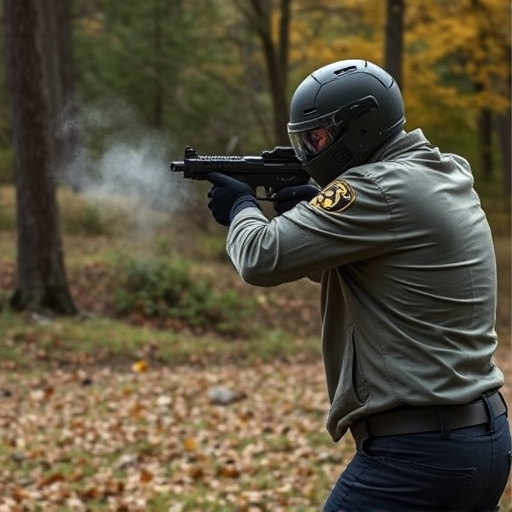
The frequency of electrical pulses in stun guns is a critical factor that impacts both their effectiveness and safety. Stun guns emit an electric current through multiple small shocks, typically delivered at frequencies ranging from 20 to 150 kHz. These high-frequency pulses are designed to disrupt muscle control, temporarily incapacitating the target without causing permanent harm. However, the safety and legal implications of these frequencies are significant, especially when considering bulk stun guns for retail stores.
In many jurisdictions, the sale and use of stun guns are strictly regulated due to potential misuse and unintended consequences. High-frequency electrical pulses can pose risks to users and bystanders if not handled properly. The impact on individuals with certain medical conditions or pacemakers is a particular concern. Additionally, the legal definition of a stun gun varies across regions, and the specific frequency requirements for compliance can differ. Retail stores selling bulk stun guns must stay informed about these regulations to ensure they offer products that meet safety standards while adhering to legal constraints.
When selecting bulk stun guns for retail stores, understanding electrical pulse frequency is key. This article has provided a comprehensive overview of how frequency impacts stun gun effectiveness, along with factors influencing performance and safety considerations. For retailers, navigating the legal landscape and choosing the right stun gun with an appropriate pulse frequency is essential to meet customer needs while adhering to regulatory guidelines. By considering these aspects, you can offer well-informed options, enhancing both product satisfaction and public safety.